
Description
A practical starter system may include:
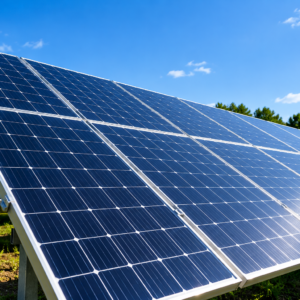
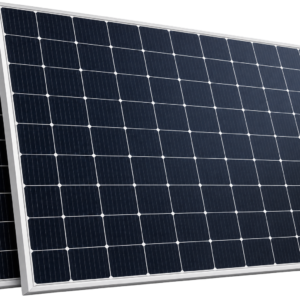
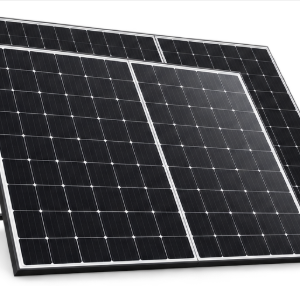
- Solar Array: 3,000–4,000 watts of solar panels
- Solar Panels: Approximately 7–10 high-efficiency 400W–450W panels
- Battery Storage: 10–15 kWh LiFePO4 lithium battery bank
- System Voltage: 48V recommended
- Inverter: 5,000–6,000W pure sine wave inverter/charger
- Charge Controller: MPPT solar charge controller appropriately sized for the array
- Backup Power: Generator input or generator-ready inverter
- Additional Equipment: Solar mounting system, combiner equipment, disconnects, breakers/fuses, properly sized wiring and necessary safety equipment
What Can a Starter Solar Kit Power?
For someone trying to keep costs down, the goal is to prioritize essential loads. A properly designed system in this range can potentially support approximately 5–8 kWh of daily electricity use, depending on sunlight, season, equipment efficiency and the property’s actual electrical loads.
That can include essentials such as an energy-efficient refrigerator, LED lighting, television, Wi-Fi, laptops and phones, a well or water pump, fans, small kitchen appliances and occasional power-tool use.
The key to affordable off-grid living is avoiding large electric heating loads whenever possible. Electric water heaters, electric ranges, clothes dryers, resistance heaters and central air conditioning can dramatically increase the size—and cost—of the solar system.
Using propane, wood or other alternatives for cooking, water heating and space heating can allow a much smaller solar system to handle the property’s everyday electrical needs.
Example: 5-Acre Off-Grid Homestead
For a small home or cabin on five acres, a typical energy-conscious day might look like this:
Refrigerator: 1.0–1.5 kWh
Well/Water Pump: 0.5–1.0 kWh
LED Lighting: 0.3–0.5 kWh
TV, Wi-Fi & Electronics: 0.5–1.0 kWh
Laptop & Phone Charging: 0.2–0.4 kWh
Microwave/Coffee Maker/Small Appliances: 0.5–1.0 kWh
Fans & Miscellaneous Loads: 0.5–1.0 kWh
That puts basic daily consumption at roughly 3.5–6.5 kWh per day, before adding major loads such as air conditioning, electric heating, large shop equipment or an electric vehicle.
Start Small. Expand Later.
You don’t necessarily need to purchase your dream solar system on day one.
A smart budget approach is to invest first in the components that are difficult or expensive to replace later—particularly a quality 48V inverter/charger and expandable battery platform. Start with enough solar panels and batteries for your essential needs, then add additional panels and battery modules as your property develops.
You may start by powering your cabin, refrigerator, lights and well pump today and expand later to support a workshop, barn, greenhouse, security system or additional buildings.
Don’t Forget Backup Power
Even a well-designed solar system can experience several cloudy days in a row. A generator-ready inverter provides another layer of protection without requiring you to purchase an enormous battery bank.
For someone building an off-grid property on a limited budget, a solar + battery + generator-ready system can provide an excellent balance between affordability and energy independence.
Build Your Off-Grid Life One Step at a Time
At Off Grid Palace, we believe off-grid living should be achievable at different budget levels. Whether you’re powering a small cabin, developing five acres, building a homestead or simply looking for greater energy independence, you can start with the essentials today and expand your solar system tomorrow.
Start with what you need. Build as you grow. Live with greater independence.